
Insect Biochemistry serves as a definitive textbook and reference manual that details the intricate, hyper-specialized molecular processes that allow insects to thrive across nearly every ecological niche on Earth. As the most diverse class of organisms on the planet, insects possess unique metabolic pathways that govern flight, metamorphosis, exoskeleton development, and chemical defense. This book bridges the gap between classic entomology and modern molecular biology, providing a rigorous structural framework for tracking how biochemical adaptations drive insect survival, reproduction, and resistance to environmental stress. The textbook organizes its dense molecular curriculum into four progressive segments, guiding readers from sub-cellular mechanics to broad ecological applications. A defining attribute of Insect Biochemistry is its focus on comparative biochemistry and evolutionary adaptation. Rather than viewing metabolism as a static system, the authors treat it as a highly dynamic toolkit. The chapters outline how unique insect-specific sugars, such as trehalose, function as vital metabolic buffers, protecting delicate cellular structures during extreme freezing or dehydration. Furthermore, the book connects pure laboratory science to modern agricultural and medical challenges. It details how understanding insect-specific pathways allows researchers to design highly targeted, eco-friendly biorational insecticides. By focusing on biochemical vulnerabilities unique to pests such as chitin synthesis inhibition or juvenile hormone disruption scientists can manage crop-destroying insects and disease vectors without harming surrounding biodiversity or mammalian life. In summary, Insect Biochemistry moves beyond descriptive natural history to explore the chemical engines driving the insect world. It equips the next generation of researchers with the molecular insights and analytical frameworks required to manage pest populations, protect beneficial pollinators, and harness unique insect biomaterials for technological innovation.
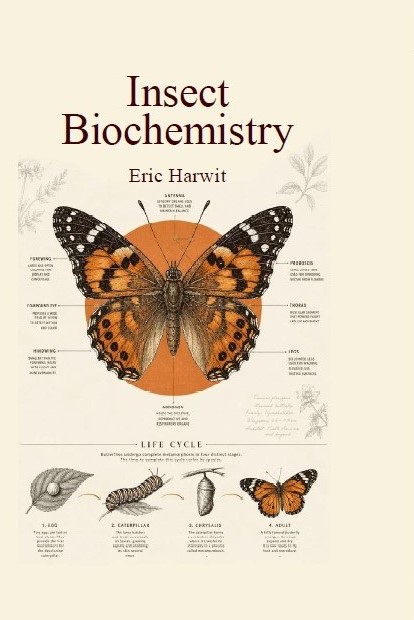
Insect Biochemistry
$125.99
Author Eric Harwit
Binding Paperback
ISBN 9781995870800
Language English
Pages 288
Subject Category Biochemistry
Year of Publication 2027
Related Products

Agricultural Chemistry
$69.95

Carbohydrate Metabolism
$125.99
Hormone Biochemistry
$125.99
Reviews
There are no reviews yet.