
Biodiversity and Irrigation serves as a definitive, multi-disciplinary examination of the complex, often delicate relationship between artificial water management and ecological conservation. As global agriculture expands to meet the food demands of a growing population, irrigation systems change local landscapes. This book analyses how these alterations affect plant and animal ecosystems. It provides a balanced framework for engineering productive farmland while safeguarding natural biodiversity. The book is organized into four core thematic parts, each addressing a distinct layer of the agro-ecological system. This section details how diverting water bodies to feed canals modifies natural river flows and wetlands. It explains the immediate impacts of water extraction on local aquatic wildlife, migratory fish routes, and riparian vegetation zones. Irrigation changes regional microclimates. Mismanaged irrigation can trigger severe ecological declines. In-depth chapters explore the mechanics of waterlogging, soil salinization, and pesticide runoff, illustrating how chemical accumulations degrade soil microbiomes and poison surrounding wildlife habitats. The final chapters offer actionable engineering and policy solutions. Readers learn about eco-friendly irrigation designs, drip systems that minimize water loss, and water-sharing frameworks that maintain minimum environmental flows for nature. A major strength of Biodiversity and Irrigation is its rejection of a polarized “nature versus agriculture” view. Instead, it advances the concept of reconciliation ecology. The authors use global case studies to demonstrate that irrigation networks, when designed with nature in mind, can serve dual purposes. For instance, the book showcases how drainage ditches and artificial storage ponds can double as constructed wetlands, providing vital refuge for amphibians and migratory birds in intensive farming regions. The book also addresses the compounding threat of climate change. In summary, Biodiversity and Irrigation is a crucial handbook for the modern Anthropocene. It provides the technical data, ecological theory, and policy frameworks needed to ensure that securing our global food supply does not come at the cost of erasing Earth’s biological heritage.
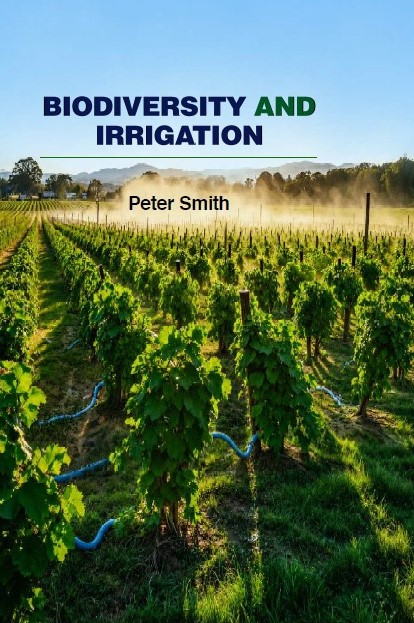
Biodiversity And Irrigation
$124.99
Author Peter Smith
Binding Paperback
ISBN 9781995870084
Language English
Pages 320
Subject Category Agriculture
Year of Publication 2027


Reviews
There are no reviews yet.