
Applied Ethnobotany is a pivotal text in environmental conservation and natural resource management. It transitions traditional ethnobotany the study of relationships between people and plants from an academic exercise into a practical, field-tested discipline focused on sustainability, biodiversity conservation, and community development. The book addresses a crucial challenge in biological conservation: millions of people worldwide rely on wild plant species for food, shelter, traditional medicine, fuel, and income. However, overharvesting, habitat destruction, and market pressures increasingly threaten these resources. The manual outlines accessible techniques for measuring wild plant populations, tracking yield, and assessing the ecological impacts of harvesting different plant structures (such as bark, roots, seeds, or leaves). It emphasizes taxonomy with all senses, urging researchers to value local identification methods based on scent, texture, taste, and traditional usage. The book demonstrates how combining community mapping with modern tools like satellite imagery and aerial photographs offers a clearer picture of land-use patterns and tenure rights. Applied Ethnobotany serves as an essential field manual. It empowers national park managers, rural development workers, and researchers to design conservation programs that honour cultural practices while preventing resource depletion.
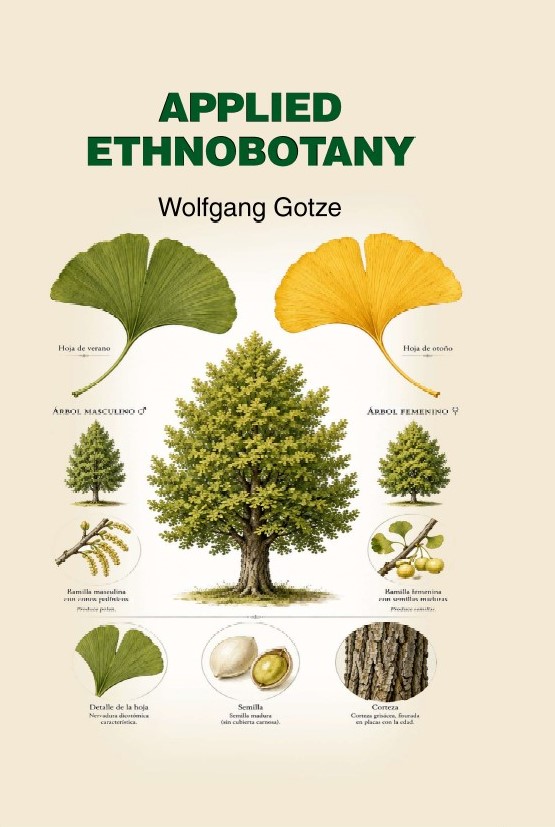
Applied Ethnobotany
$125.99
Author Wolfgang Gotze
Binding Paperback
ISBN 9781995870886
Language English
Pages 352
Subject Category Agriculture, Botany
Year of Publication 2027




Reviews
There are no reviews yet.