
Molecular electronics sits at the cutting edge of nanotechnology, chemistry, and physics. The field explores how single molecules, or small groups of them, can act as fundamental electronic components. Traditional silicon-based microchips are approaching their physical limits. As transistors shrink, they suffer from quantum leakage and extreme heat generation. Molecular electronics offers a solution by using chemically synthesized molecules to perform the tasks of switches, wires, and transistors. A book on this topic typically covers how molecules are integrated into functional electrical circuits. The behaviour of electronics at the molecular scale is governed by quantum mechanics rather than classical physics. Molecular electronics promises incredible advantages over legacy computing systems. Molecules are perfectly identical, highly customizable through organic chemistry, and incredibly small. This allows for ultra-dense computing power and low power consumption. However, major roadblocks remain. Operating these devices reliably at room temperature is difficult, as thermal vibrations disrupt molecular stability. Connecting microscopic molecules to macroscopic wires with consistent contact resistance also poses a massive engineering challenge. The ultimate goal of molecular electronics is to revolutionize computing, sensing, and energy storage. Future applications include molecular-scale brains for artificial intelligence, biocompatible medical sensors, and high-efficiency organic solar cells. By merging chemistry with hardware, this discipline paves the way for the next generation of sub-nanometer technology.
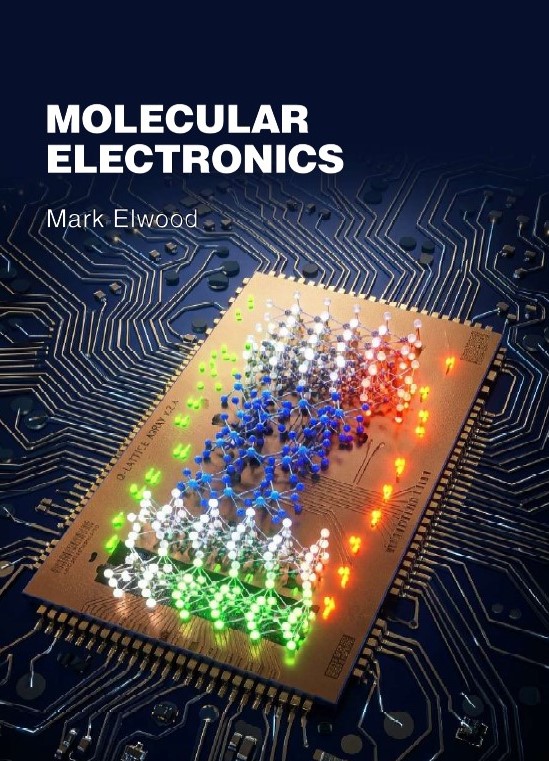
Molecular Electronics
$125.99
Author Mark Elwood
Binding Paperback
ISBN 9781995871005
Language English
Pages 315
Subject Category Physics, Chemistry, Nanoscience, Engineering
Year of Publication 2027





Reviews
There are no reviews yet.