
The main objective of the book is to provide an interdisciplinary understanding of methods that can improve the productivity, quality and sustainability of crops and plants. It brings together research papers and review articles dealing with the biological, physiological and biotechnological aspects of plant production. This makes the book useful for students, teachers, researchers and professionals working in agriculture, botany, forestry, horticulture and biotechnology. A significant part of the book deals with seed science and seed improvement techniques. Seeds are the foundation of crop production, and their quality strongly influences germination, seedling establishment and final yield. The book discusses techniques such as osmo-conditioning, thermo-conditioning and seed invigoration, which are used to improve seed performance and quality. It also considers dry permeation techniques and other approaches for enhancing seed viability and productivity. These methods demonstrate how physiological treatments can contribute to better crop establishment. Another important subject covered is the use of bioregulants and plant growth regulators (PGRs). Plant growth regulators can influence processes such as germination, root development, shoot growth, flowering, fruit development and stress responses. The book discusses their practical applications in agricultural, horticultural and forestry crops, including their economic usefulness. It also gives attention to newer and potentially effective plant growth regulators. The book further connects traditional agricultural practices with modern scientific techniques. It recognizes the value of traditional farming knowledge while examining how such practices can be combined with modern agricultural technologies. Overall, Seeds, Bioregulants and Applied Plant Biotechnology presents a broad scientific perspective on improving plant production through seed technology, growth regulation and biotechnology. Its interdisciplinary nature makes it a valuable reference for understanding how physiological and biotechnological approaches can contribute to higher crop productivity, better-quality planting material and more sustainable agricultural development.
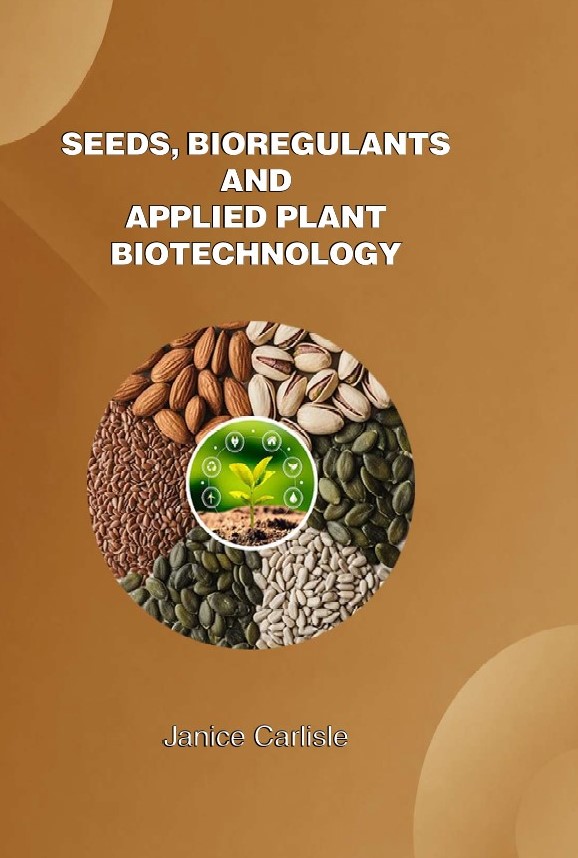
Seeds, Bioregulants and Applied Plant Biotechnology
$125.99
Author Janice Carlisle
Binding Paperback
ISBN 9781995870879
Language English
Pages 312
Subject Category Agriculture, Biotechnology
Year of Publication 2027


Reviews
There are no reviews yet.