
Computer in Biotechnology serves as an indispensable textbook and reference guide that chronicles the massive computational infrastructure driving the modern life sciences. In an era where a single laboratory run can generate terabytes of genomic and proteomic sequences, biology can no longer survive as a purely manual, bench-scale discipline. This volume details how digital systems, databases, and software applications act as the vital nervous system for modern laboratories, showing how computer integration transitions biology into a precise, predictive science. The textbook organizes its material into four logical, sequential parts, taking the reader from simple data collection to complex, automated laboratory grids. A defining attribute of Computer in Biotechnology is its emphasis on data standardization and accessibility. Because biological research is carried out by thousands of isolated laboratories worldwide, data can easily become fragmented. The book details how standardized computer protocols and file formats allow diverse software tools to seamlessly communicate, ensuring that a genetic sequence mapped in Europe can be instantly analysed by a pharmaceutical program in Asia. Furthermore, the book refuses to isolate its concepts to abstract computer science theory. It guides readers through practical, worked examples of how data tracking prevents commercial failures. For instance, it walks through how automated quality-control software flags contamination errors in continuous industrial bioreactors before whole batches are ruined. This practical focus transitions the text from a simple glossary into an active, field-ready laboratory manual. An essential curriculum text for undergraduate and postgraduate students adapting to a heavily digitized, high-throughput laboratory environment. Computer in Biotechnology strips away the intimidation of digital systems to provide a welcoming roadmap for the post-genomic era.
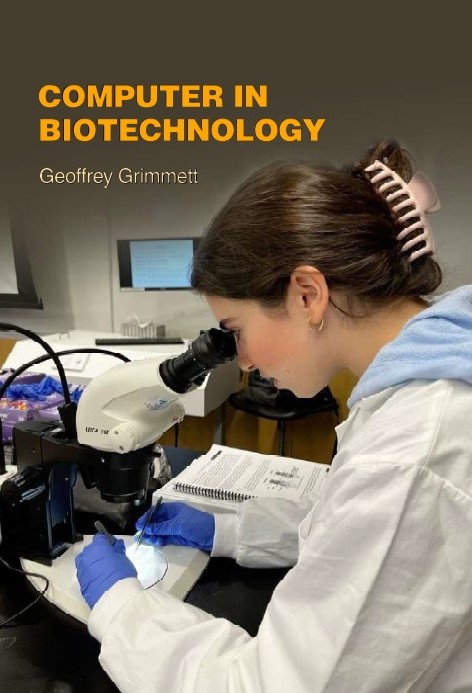
Computer in Biotechnology
$125.99
Author Geoffrey Grimmett
Binding Paperback
ISBN 9781995870862
Language English
Pages 309
Subject Category Biotechnology
Year of Publication 2027
Related Products

Biotechnology Ethics
$125.99
Stem Cell Isolation
$125.99
Molecular Biotechnology
$69.95
Reviews
There are no reviews yet.